
It's that no time in the morning time of year again. The kids are back in school, parents are back to work and breakfast in many households has become a catch-as catch-can affair, if it is eaten at all.
This decade has seen a steady decline in the proportion of people who regularly eat breakfast, long considered "the most important meal of the day". Though you may not think so as you hit the snooze alarm to catch a few more winks of the morning sleep, it would pay to get up 15 minutes earlier to make for a nutritious breakfast.
A sweet roll or bagel and coffee from a nearby deli is not an adequate breakfast. Nor is a so called breakfast bar or bag of chips munched on way to school. These may temporarily suppress hunger pangs, but they will do little to enhance brain function and mood, not to mention nutritional status and overall health. Given what most people call breakfast, a fast food sandwich is actually an improvement even though it is likely to be much higher in fat, salt and calories than, say, cereal with fruit and low fat or skim milk.
Countless studies in recent decades have documented the value of eating breakfast to a child's ability to learn, think quickly, pay attention and get along well with others. In a report in the archives of Pediatric and Adolescent Medicine, Dr J Michael Murphy of the Massachusetts General Hospital in Boston and his co-authors assessed the effects of eating school breakfast on the academic and emotional functioning of more than 100 children in inner-city elementary schools in Baltimore and Philadelphia.
When school breakfast was made available to all children of family income, the number of youngsters who ate it doubled, giving the researchers an opportunity to measure the results before and after. They found that those who often ate school breakfast, got higher grades in math, and were less likely to be described as depressed, anxious or hyperactive by parents or teachers.
In addition to improving in these psychological dimensions, those youngsters who started eating breakfast under the universal feeding program improved their math grades, school attendance and punctuality. Children who regularly eat breakfast think faster and clearer, solve problems more easily and are likely to be fidgety and irritable early in the day.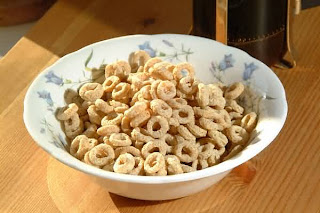
Recent studies show that children who skip breakfast are not as adept at selecting the information they need to solve problems. Ability to recall and use new information, verbal fluency and attentiveness are hurt by hunger. Earlier studies showed similar effects of skipping breakfast among teenagers and adults. Over all, breakfast skippers were less productive and handled tasks less efficiently than those who ate breakfast. Among both young and elderly adults, skipping breakfast impaired memory and mental performance.
You don't have to be a scientist to realize that it is hard to concentrate on mental challenges and to maintain a pleasant, patient demeanor when your growling stomach signals a fall in blood glucose that follows an overnight fast or the consumption of only a sweet food or coffee or both.
The brain runs on glucose, and when the supply runs low, it is forced to depend on the stored fat, a less efficient source of fuel. Performance questions aside, the goal of many breakfast skippers is to save on calories. However, calories consumed early in the day are least likely to put on pounds, and skipping any meal simply increases the temptation to eat a high calorie snack or overeat at the next meal.
In fact, the leanest people tend to be those who eat three or more meals a day. Studies of teenagers have shown that those those skip breakfast have an intake of calcium and vitamin C that is 40 percent lower than those who eat breakfast.
What's a proper Breakfast? Ideally, breakfast should supply one quarter to one third of the day's protein plus fiber rich complex carbohydrates and a small amount of fat. Simple homemade meals that fulfill these criteria include a whole grain cereal (cold or hot) with fruit and low fat or skim milk: low fat or non fat yogurt fruit and skim milk plus whole wheat toast or cheese.
And parents should provide a good example by eating breakfast themselves.


